




























How to Choose the Right Mileage Allowance When Leasing a Car
Leasing a car provides the motorist with a lot of financial freedom as well as enjoying the freedom of the road. Compared to purchasing a vehicle, leasing gives the driver flexibility in how the lease term is structured, as well, of course, as enjoying the wealth of lease vehicles available and the attraction of always driving a brand new vehicle.
One of the benefits with the most appeal to car leasing drivers is that they don’t have to worry about depreciation. The value of a brand new car will decline rapidly as soon as it is driven, but because you don’t own a lease car it doesn’t matter to you what its value is. However, lease drivers are impacted by depreciation to some extent, and that is through the mileage allowance you agree with a lease deal.
What is a mileage allowance?
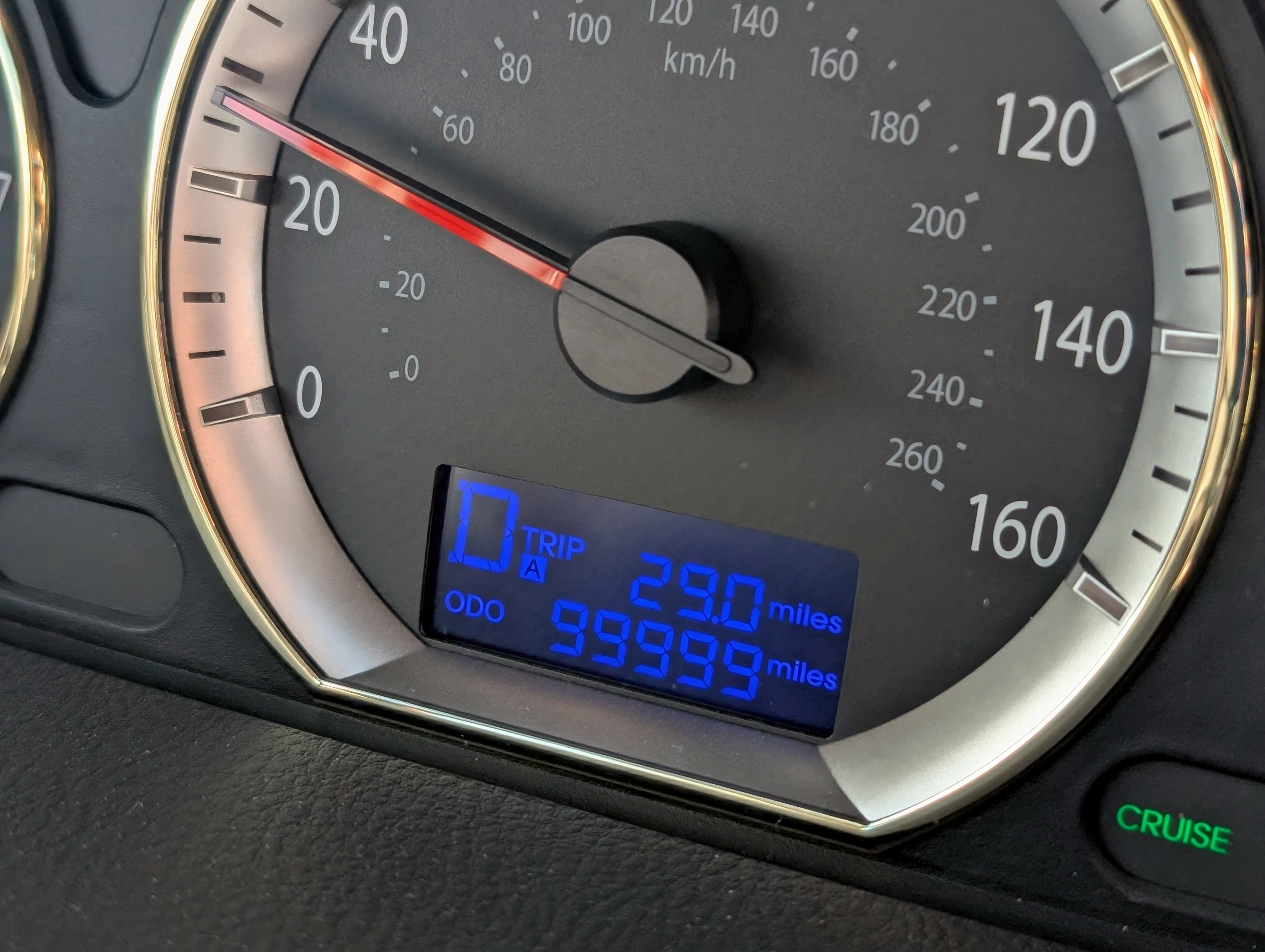
This is a restriction that is agreed at the outset of a lease agreement, whereby you agree a maximum annual mileage. This essentially puts in place an agreement that you won’t exceed a specific mileage over the course of the lease term. The purpose of this is to protect the residual value of the vehicle to the leasing company when the vehicle is returned to them at the end of a lease agreement. This means that the monthly lease cost you pay will be determined by the mileage allowance you agree. Therefore, the lower the mileage you drive, the lower your monthly cost will be, because the vehicle is doing less annual mileage and so won’t deteriorate as much in value. Conversely, the higher the mileage you drive, the higher the monthly cost will be because the vehicle will deteriorate more in value.
When you return the vehicle at the end of the lease deal, the leasing company will be able to see if you have exceeded the agreed mileage allowance. If this is the case you will face an excess charge. This will be calculated on a rate per mile for the amount of mileage you have exceeded. So if you agreed a mileage allowance of 8,000 miles per year over a four year lease, for example, this would mean the maximum you could drive over the course of the lease would be 32,000 miles. If it is found you have driven 33,000 miles when you return the vehicle, you would be charged for the extra 1,000 miles.
How to calculate an accurate mileage allowance
It is very important that you calculate and agree an accurate mileage allowance for your lease agreement. This is a standard figure that you supply for car insurance renewals every year, so you should have a good handle on this already, but essentially you can:
Review your past driving habits
Allow for any lifestyle changes in recent times, or which might be coming up, such as changing to working from home, or changing to a longer work commute, or having to regularly visit a relative who lives some distance away.
Check your annual MOT certificate. This records your mileage at the time of each MOT test, and therefore you can accurately see what mileage you have done between two tests.
Typical weekly average – Most people have a rough idea what they drive each week, you can multiply this figure by 45 to get a rough estimate of your annual mileage. This allows for holidays and periods in each year where you don’t do much driving.
Speak to your leasing company – If you speak with your leasing company you can see how much a mileage allowance will impact on your monthly lease cost. It may be that you can be cautious and allow for a slightly bigger mileage allowance than you are likely to do. This gives you some breathing space and means you are unlikely to face any excess charges, and you know it is affordable in the monthly lease cost. Equally, you can agree to reduce a mileage allowance to make a deal more affordable, and commit to managing your mileage more carefully to ensure you don’t exceed the maximum limit.
Most people average between 8,000 and 10,000 miles per year, but this can be over 20,000 if you regularly do a long work commute or do a lot of driving daily. At the same time, someone who just has a little runaround car for emergencies, or who works from home most days, may do less than 5,000 miles per year. The great benefit of leasing is that the lease agreement you choose accurately reflects the mileage you do, and while depreciation doesn’t impact you in terms of the vehicle’s residual value at the end of the lease, it does impact you in terms of agreeing an affordable monthly lease cost.
Choose an affordable lease deal with Pink Car Leasing
It is possible, in most cases, to adjust a mileage allowance mid-lease term, as most leasing companies accept that things change and people may find a new job or change their lifestyle habits which can impact on their mileage unexpectedly. In this case you can review your mileage allowance and change it, as it is important that it is always accurate.
At Pink Car Leasing all our lease deals include an easy calculation so that you can change your mileage allowance and see instantly how this affects your monthly lease cost. Check out our great value car leasing deals and talk to our team about mileage allowances, and we will work with you to find an affordable lease deal that accurately matches your circumstances.
More Articles

End of Lease Options: What Happens When Your Personal Car Lease Ends?
If you are considering a personal car lease agreement, you may be wondering what happens when your lease ends. In most i...
5 Things to Check Before Signing a Personal Car Lease Agreement
When it comes to a new personal car leasing agreement, there are several factors you must consider before signing on the...

The Rise of Flexible Van Leasing: Adapting to Modern Business Needs
Van leasing is a great option for those looking for a flexible way to operate their business vehicles. From a sole trade...