




























The 2025 Guide to EV Battery Warranties and Maintenance When Leasing
The technology behind electric vehicles (EVs) is evolving all the time to improve performance, safety, infotainment and navigation and the efficiency of the vehicle. Range anxiety is the traditional barrier to many people switching to EVs, but improvements in battery life and performance makes many of these arguments redundant and means the transition to electric driving is much more seamless and manageable.
Understanding the EV battery is a major factor in getting over range anxiety and learning how to manage and maintain it also has a huge impact on making EV driving more affordable. Furthermore, leasing an EV is a much more cost-effective way to drive an EV and battery maintenance plays a huge part in that.
Understanding EV Battery Warranties
A typical manufacturer’s warranty on an EV battery will last for between 8 to ten years, or for 100,000 miles of driving, whichever milestone is reached first. Although some battery warranty periods may vary, this means almost all lease deals for a brand new EV will include the battery being under warranty for the entire duration of the lease deal. Hence, if you encounter any problems with an EV battery during your lease, any parts and repairs should be covered under the warranty agreement.
Some battery warranties also guarantee a minimum battery capacity at the end of the warranty period. Obviously extended use of a battery will result in it not being able to load as much energy after a certain period of time, but if a manufacturer can guarantee something like 70% capacity at the end of the warranty period (and remember, this could be 8-10 years) this provides significant peace of mind that your EV driving will be efficient and predictable throughout the duration of your lease. You should check your specific warranty agreement carefully to confirm what guarantees it contains.
Typical Maintenance Packages When Leasing
Most EV leasing agreements include an option of including service and maintenance for a fixed monthly fee. This will be included in your monthly lease cost so that you have one regular fee to pay to cover all your motoring expenses. The warranty on your battery will typically insist that it is regularly serviced, and may also include a stipulated frequency, such as every 12 months. Again, you should check your warranty and maintenance agreements to confirm this.
A regular service of your EV should include a routine inspection of the battery to confirm its general health and to test the performance of individual cells. The maintenance team can also check for fault codes, loose connections and can troubleshoot any reasons for the battery losing efficiency. It is also worth remembering that service and maintenance of EVs is more cost-effective than for petrol and diesel vehicles, as there are fewer moving parts and therefore less that can go wrong. At the same time, leasing a brand new EV will reduce this cost further, as you should encounter very few problems with a brand new car of any type, but particularly an EV. You will also avoid any MOT costs for the first three years of driving a brand new EV.
How To Preserve Your EV Battery
Battery manufacturers say that current EV batteries should last between 8-20 years before needing to be replaced. And there is plenty you can do to preserve the life of your battery, ensure it runs efficiently and gives you the capacity and charging convenience that you need:
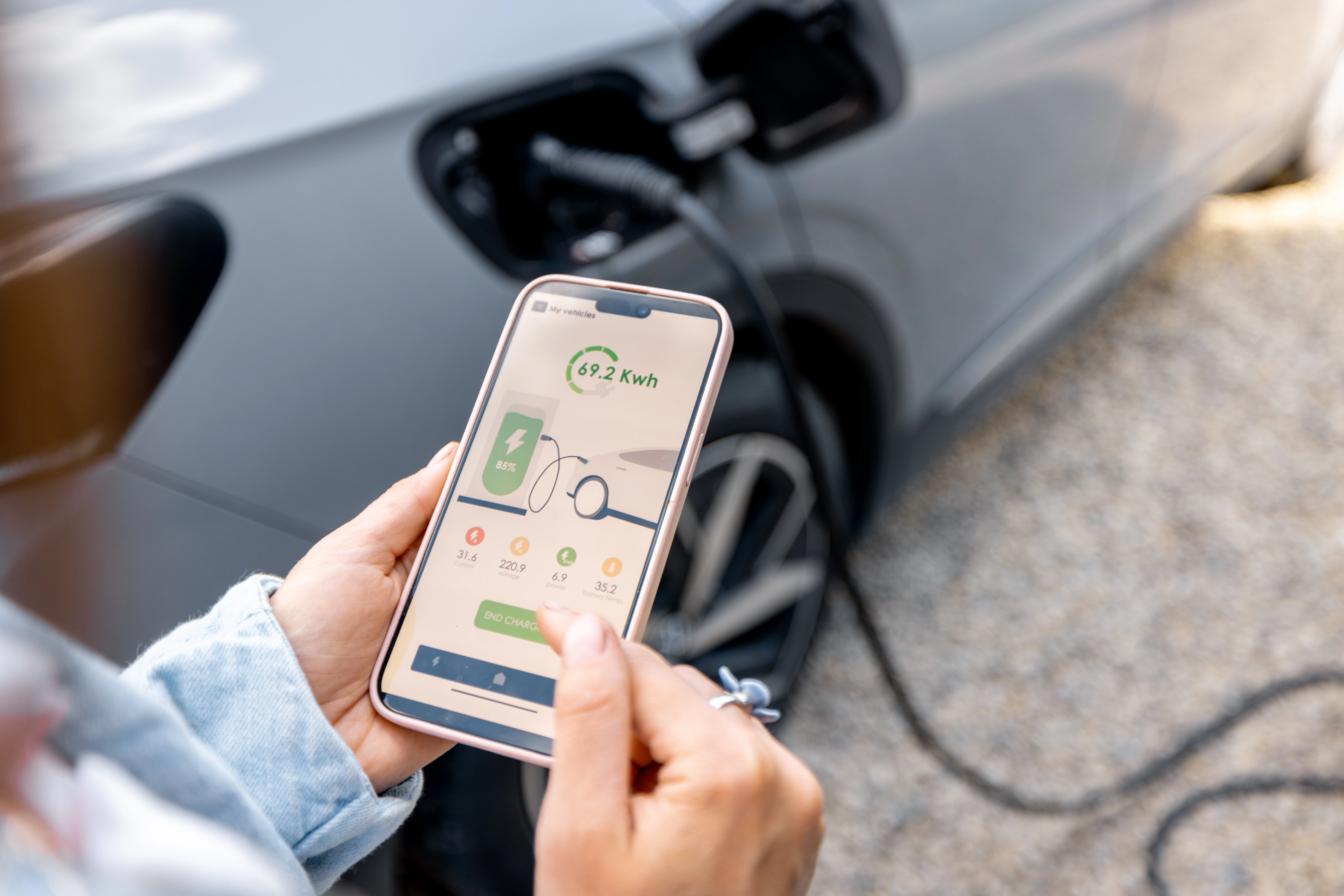
Charging habits – Fully charging and fully depleting a battery can adversely affect it, particularly if this is done regularly. Maintaining charge levels at between 50-80% is supposed to optimise battery health, and if you charge overnight you should be able to set timers and control the level of charge so you are not overcharging. Also, avoid charging immediately after a long drive, let the battery cool down first.
Control fast charging – Too much fast charging will degrade the battery faster, however, it is accepted that fast charging is sometimes necessary or essential. Try to restrict fast charging to emergency situations and manage your lifestyle and routines to regulate charging to allow for slower and more regular charging where possible, such as at home or while at work.
Temperature – Try not to store your vehicle in conditions that exhibit extremes in temperature. The battery getting too hot or too cold can affect its performance.
Driving habits – Harsh braking and accelerating can use more battery power than is necessary. Try to drive in a more controlled manner as this will avoid general wear and tear on the vehicle also.
Vehicle features - You can also utilise features in some cars such as idling, where the engine cuts off if stationary in traffic, or regenerative braking, which uses kinetic energy from braking to put power back in the battery. This all helps to make battery performance more efficient.
Great Value EV Leasing With Pink Car Leasing
At Pink Car Leasing we have a great range of EV leasing deals and have a wealth of information about electric leasing. We can also talk to you about the structure of lease deals and how service and maintenance works. Check out our lease deals and contact our team today.
More Articles
End of Lease Options: What Happens When Your Personal Car Lease Ends?
If you are considering a personal car lease agreement, you may be wondering what happens when your lease ends. In most i...
5 Things to Check Before Signing a Personal Car Lease Agreement
When it comes to a new personal car leasing agreement, there are several factors you must consider before signing on the...
The Rise of Flexible Van Leasing: Adapting to Modern Business Needs
Van leasing is a great option for those looking for a flexible way to operate their business vehicles. From a sole trade...